
 Affordable Meals
 New Recipes
 Powered by Eggs
 Ho Ho Holidays!
 Recipe Booklets
 Blog
Blog Egg Nutrition
 Care & Quality
 Types of Eggs

About Us
Manitoba Egg Farmers represents 170 regulated egg and pullet farmers in Manitoba. We are an independent organization, funded entirely by egg and pullet farmers.

Our Recipe Collection
Browse our collection of farmer favourite egg recipes,
fitting into every occasion for delicious meal planning ideas!

Oven Poached Egg English Muffins

Kale Salad with Roasted Vegetables

Classic Chocolate Chip Cookies
News & Events

Dietitian-Approved Strategy for Raising Adventurous Eaters: The Herb Garden!
Sometimes the right flavour combination can make all the difference when learning to enjoy new foods. As a child Jessica greatly disliked eggs in pretty much any variety, except in cookie form 🤪. It wasn’t until she spent time in Germany during a high school exchange...

Get ready for Easter Brunch with Sheet Pan Country Quiche
Celebrate Easter brunch with a classic Country Quiche recipe. Using local eggs is easier than ever with Manitoba's regulated egg farmers working hard to ensure fresh local eggs are on grocery store shelves within 3 -5 days after being laid. The versatility of eggs...

Nourish to Flourish: How Eggs Support Everyday Health
When we think about “eating well,” it’s easy to assume it needs to be difficult or complicated. A new year comes with new diet trends and a new grocery list and suddenly something as simple as deciding what to make for breakfast can feel overwhelming. But during...
Meet Our Farmers
Meet the farmers behind the eggs! Manitoba’s egg farmers are dedicated to caring for their hens and bringing you farm-fresh, delicious eggs. Every egg comes with a little piece of their passion and pride—so crack one open and enjoy!
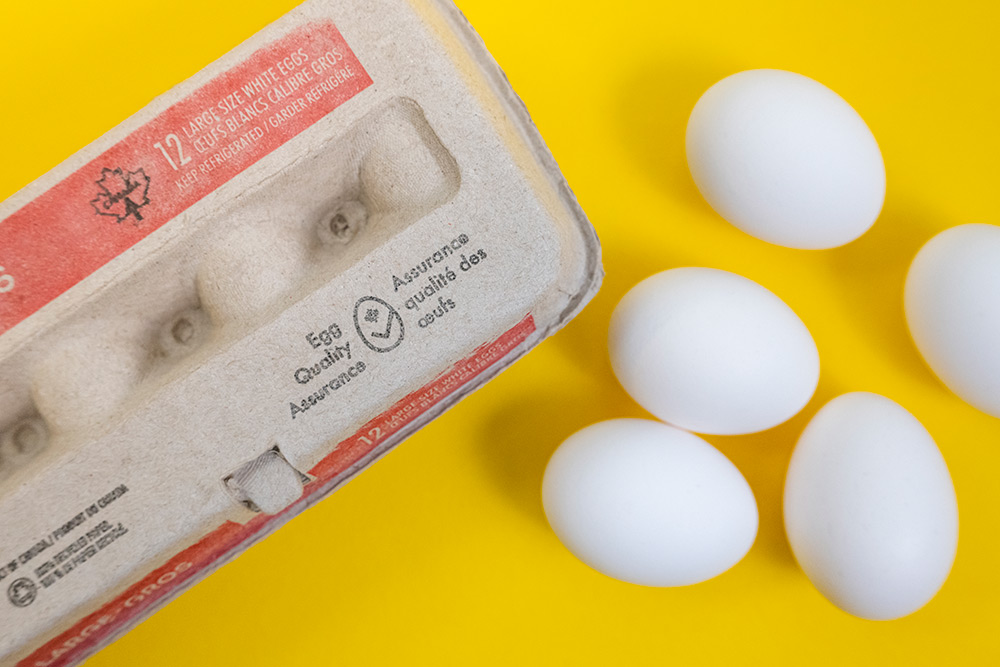
Egg Quality Assurance
The Egg Quality Assurance (EQA) program is an industry-wide initiative that highlights the rigorous requirements already in place on Canadian egg farms. All Egg Quality Assurance (EQA) certified eggs will come from farms that have met the highest standards of our national Animal Care and Start Clean-Stay Clean® food safety programs.
The EQA mark is our commitment to excellence. It is the culmination of decades of work to set up and implement quality assurance standards. No matter what type of egg you choose, EQA™ ensures Canadians get fresh, local, high-quality eggs produced by Canadian farmers.